
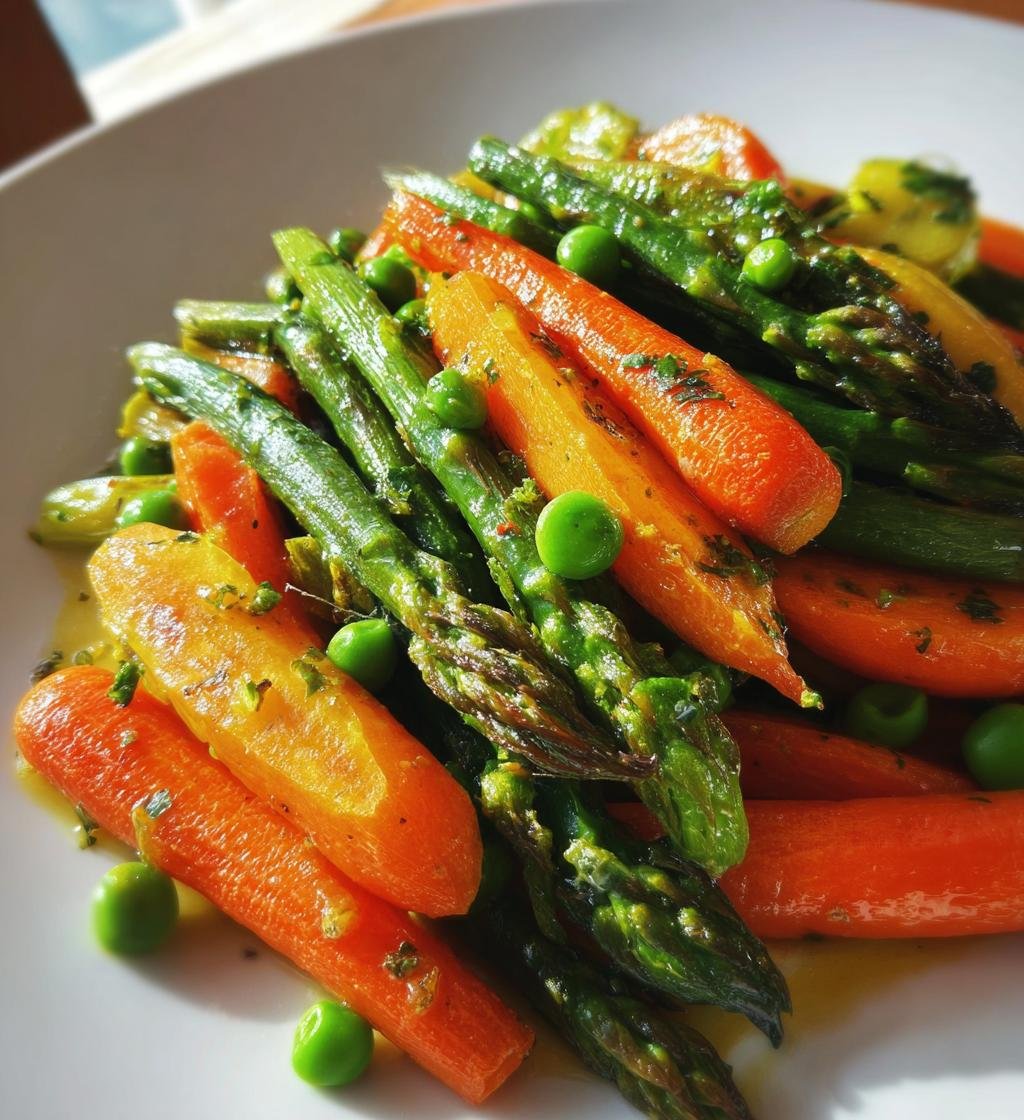
Ah, spring! It’s that magical time of year when everything feels fresh and alive, and the world bursts into color. One of my absolute favorite things about this season is the incredible variety of seasonal vegetables that come into play. The crisp snap of asparagus, the sweet pop of fresh peas, and the vibrant hues of tender carrots all beckon me to the kitchen. Cooking with these ingredients isn’t just about nourishment; it’s about celebrating the season and embracing the flavors that come with it.
I’ve noticed a delightful trend lately: more and more people are turning to seasonal vegetable-based recipes. It’s no wonder! Not only do they taste amazing, but they also encourage us to eat with the rhythm of nature. Plus, there’s something so satisfying about preparing a dish that highlights the very best of what’s available in our gardens or at the local market. So, let’s roll up our sleeves and dive into some delicious seasonal vegetable recipes that will make your taste buds dance with joy this spring!
Ingredients for Seasonal Vegetable-Based Recipes Rising
Gathering fresh ingredients is half the fun of cooking! Here’s what you’ll need to make this vibrant spring dish come to life:
- 2 cups asparagus, trimmed and cut into bite-sized pieces
- 1 cup peas, fresh or frozen (both work wonderfully!)
- 1 cup carrots, sliced into thin rounds for even cooking
- 1 tablespoon olive oil, to bring it all together
- 1 teaspoon salt, because every dish needs a little seasoning
- 1/2 teaspoon black pepper, for that slight kick
- 1 tablespoon lemon juice, the secret to brightening up those flavors!
These ingredients are not just any vegetables; they’re a celebration of the season, bursting with flavor and nutrition. Feel free to adapt this list based on what you find at your local farmers market or what’s fresh in your garden. Trust me, every little tweak will make your dish unique and delightful!
How to Prepare Seasonal Vegetable-Based Recipes Rising
Now that we have our fresh ingredients ready, let’s dive into the joy of preparing this delightful spring dish! Follow these steps, and you’ll have perfectly roasted seasonal vegetables that will make your taste buds sing.
Preheat Your Oven
First things first: preheating your oven is crucial! Set it to 400°F (200°C). This step ensures that the veggies roast evenly, giving them that beautiful golden color and tenderness. Trust me, you don’t want to skip this part; a hot oven helps lock in those vibrant flavors!
Prepare the Vegetables
Next, let’s get those veggies ready! Start with the asparagus—trim off the tough ends (about an inch or so) and cut them into bite-sized pieces. For the peas, if you’re using fresh ones, just pop them out of their pods. Frozen peas are a breeze; no prep needed! Then, slice the carrots into thin rounds, about a quarter-inch thick, so they cook evenly. Once everything is prepped, grab a large bowl and toss the asparagus, peas, and carrots together. It’s like a colorful celebration in there!
Season the Vegetables
Now comes the fun part—seasoning! Drizzle the olive oil over your veggie mixture. Don’t be shy; that tablespoon will work wonders! Sprinkle the salt and black pepper over everything, and then toss it all together with your hands (or a spatula) until the vegetables are evenly coated. This step is key for ensuring every bite is flavorful, so make sure to get in there and give it a good mix!
Roast the Vegetables
Spread the seasoned vegetables in a single layer on a baking sheet. This allows them to roast evenly and prevents steaming. Pop them into your preheated oven and roast for about 20 minutes. You’re looking for that perfect tenderness—just poke a fork in there, and if it goes in easily, you’re golden! Plus, those edges should be slightly crispy, adding an extra layer of yum.
Serve the Dish
Once you pull the vegetables out of the oven, drizzle that lovely lemon juice over the top. It really brightens up the flavors and adds a fresh zing! You can serve these beauties warm or let them cool to room temperature—either way, they’ll be a hit. Think of them as a delightful side dish or even a light main dish paired with grains. Enjoy the bright, fresh taste of spring!
Why You’ll Love This Recipe
This seasonal vegetable dish is not just delicious; it’s packed with benefits that make it a must-try for your spring cooking adventures. Here’s why you’re going to fall head over heels for it:
- Quick Preparation: With just 10 minutes of prep time, you’ll have a vibrant dish ready to roast in no time!
- Healthiness: Bursting with fiber, vitamins, and nutrients, this dish is a guilt-free way to enjoy all those fresh spring veggies.
- Vibrant Flavors: The combination of roasted asparagus, sweet peas, and earthy carrots creates a symphony of flavors that celebrate the season.
- Versatile Dish: Whether as a side or a light main, this recipe adapts beautifully to suit any meal. Pair it with grains or serve it alongside your favorite protein!
- Colorful Presentation: The bright colors of the vegetables make for an eye-catching dish that’s sure to impress your family and friends.
Embrace the joy of cooking with seasonal ingredients and let this delightful recipe bring warmth to your spring table!
Tips for Success with Seasonal Vegetable-Based Recipes Rising
Ready to elevate your seasonal vegetable dish to new heights? Here are some pro tips that will help you achieve the best results and avoid common pitfalls along the way!
- Use Fresh Ingredients: The fresher your vegetables, the better your dish will taste. When you’re at the market, look for vibrant colors and firm textures. If you can, try to choose organic produce to maximize flavor and nutrition.
- Don’t Overcrowd the Pan: This is a biggie! If you pile your veggies too closely on the baking sheet, they’ll steam instead of roast. Make sure to spread them out in a single layer; this helps them get that lovely caramelization we all love!
- Experiment with Seasonings: Feel free to get creative with your seasonings! While olive oil, salt, and pepper are fantastic, you can also try adding garlic powder, paprika, or fresh herbs like thyme or rosemary. These little tweaks can turn your dish into something truly special!
- Check for Doneness: Ovens can vary, so keep an eye on your veggies while they roast. If they’re not as tender as you’d like after 20 minutes, give them a few extra minutes. Just remember to stir them halfway through to ensure even cooking.
- Let Them Rest: After roasting, let your vegetables sit for a couple of minutes before serving. This little pause allows the flavors to meld together beautifully, making every bite even more delicious!
- Pairing is Key: Think about what you’re serving alongside your seasonal vegetable dish. A grain like quinoa or couscous works wonderfully, and don’t forget a protein source if you need it! This way, you’ll create a balanced and satisfying meal.
With these tips in your back pocket, you’re all set to whip up a seasonal vegetable dish that will impress everyone at your table. Happy cooking!
Variations on Seasonal Vegetable-Based Recipes Rising
One of the best things about seasonal vegetable-based recipes is their versatility! You can easily swap in different veggies or add exciting seasonings to keep things fresh and fun. Here are some delightful variations to inspire your creativity:
- Swap for Other Seasonal Vegetables: While asparagus, peas, and carrots are fantastic, why not try using zucchini, bell peppers, or Brussels sprouts? Just remember to adjust the cooking times slightly for each vegetable to ensure they roast perfectly!
- Add Some Color: If you’re feeling adventurous, toss in some vibrant cherry tomatoes or radishes. They’ll add a splash of color and a burst of flavor to your dish. Just add them to the mix during the last 10 minutes of roasting to keep them juicy!
- Experiment with Herbs and Spices: Give your veggies an extra layer of flavor by adding fresh herbs like basil, cilantro, or dill. You can also sprinkle in some smoked paprika, cumin, or even a pinch of red pepper flakes for a spicy kick!
- Toss in Some Protein: Want to make your dish heartier? Consider adding chickpeas or diced tofu before roasting. They’ll soak up all those delicious flavors and provide a satisfying texture!
- Change Up the Cooking Method: Instead of roasting, try steaming or sautéing your seasonal vegetables for a different texture and taste. A quick sauté with garlic and olive oil can create a wonderful side dish in a hurry!
- Dress It Up: For a zesty twist, drizzle your roasted vegetables with balsamic glaze or a sprinkle of feta cheese just before serving. You can also create a tahini sauce or yogurt dressing to drench your veggies in something creamy and delicious!
Feel free to mix and match these ideas to suit your taste and what you have on hand. The beauty of cooking with seasonal vegetables is that you can always make it your own. Enjoy the process and let your creativity shine!
Nutritional Information Disclaimer
While I love sharing the deliciousness of these seasonal vegetable-based recipes, it’s important to remember that nutritional information can vary quite a bit! The values provided are estimates and can change based on the specific ingredients you use or the brands you choose. Factors like how you prepare your vegetables, whether you add any extras, and even the size of your servings can all influence the final nutritional data.
So, while I strive to give you a helpful guide, I encourage you to consider this information as a starting point rather than a precise measurement. Always feel free to adjust based on your dietary needs and preferences. Happy cooking, and enjoy those vibrant veggies!
Serving Suggestions for Seasonal Vegetable-Based Recipes Rising
Now that you’ve whipped up this delightful seasonal vegetable dish, let’s talk about how to make it shine even brighter on your table! Here are some fantastic ideas for what to serve alongside your roasted veggies, turning your meal into a full-fledged celebration of spring:
- Grains Galore: Pair your roasted vegetables with a fluffy bed of quinoa, couscous, or brown rice. The nutty flavors of these grains complement the freshness of the veggies beautifully, making for a satisfying and nutritious meal.
- Protein Power: For a heartier option, consider serving grilled chicken, salmon, or tofu alongside your dish. A protein source adds substance and makes it a complete meal. Just season your protein with some lemon and herbs to tie everything together!
- Fresh Greens: A light salad made with mixed greens, arugula, or spinach can offer a refreshing crunch. Toss in some sliced radishes, avocado, or nuts for added texture and flavor. A simple vinaigrette will elevate your greens and balance the roasted flavors.
- Crusty Bread: Don’t forget about a warm crusty baguette or some homemade bread! It’s perfect for scooping up those roasted veggies or soaking up any delicious juices left on your plate. Plus, who doesn’t love a good bread basket?
- Cheesy Delight: For a comfort twist, sprinkle some crumbled feta or shaved parmesan over the top of the roasted vegetables right before serving. The creaminess of the cheese enhances the dish and adds an extra layer of flavor.
- Dips and Sauces: Serve your veggies with a side of hummus, tzatziki, or a zesty yogurt sauce. These dips not only add flavor but also create a fun, shareable dining experience. Perfect for those who enjoy a little extra zing!
Feel free to mix and match these suggestions based on your cravings and what you have on hand. The key is to create a balanced plate that celebrates the freshness of spring while complementing the vibrant flavors of your seasonal vegetable dish. Enjoy every bite!
FAQ about Seasonal Vegetable-Based Recipes Rising
Q1. Can I use frozen vegetables instead of fresh?
Absolutely! Frozen vegetables like peas are a fantastic option and will work beautifully in this recipe. They’re picked at peak freshness and flash-frozen to preserve their nutrients. Just toss them in straight from the freezer—no need to thaw!
Q2. How do I know when the vegetables are done roasting?
Great question! You’ll want to roast them for about 20 minutes at 400°F (200°C). Check for tenderness by poking them with a fork; if it goes in easily and the edges are slightly crispy, they’re ready to come out. Keep an eye on them, as oven times can vary!
Q3. What other vegetables can I add to this recipe?
You can get super creative here! Feel free to add seasonal favorites like zucchini, bell peppers, or even radishes. Just remember to adjust the cooking times based on how thick or hearty the vegetables are. The more colorful, the better!
Q4. Is this dish suitable for meal prep?
Yes, indeed! This dish is perfect for meal prep. You can roast a big batch and store it in the fridge for up to four days. Just reheat it gently in the oven or microwave when you’re ready to enjoy. It makes for a quick side or a healthy lunch option!
Q5. How can I make this dish more flavorful?
If you’re looking to amp up the flavor, consider adding fresh herbs like thyme or rosemary before roasting, or sprinkle some garlic powder over the veggies. A drizzle of balsamic glaze right before serving can also add a lovely depth. Experiment and find your favorite combination!
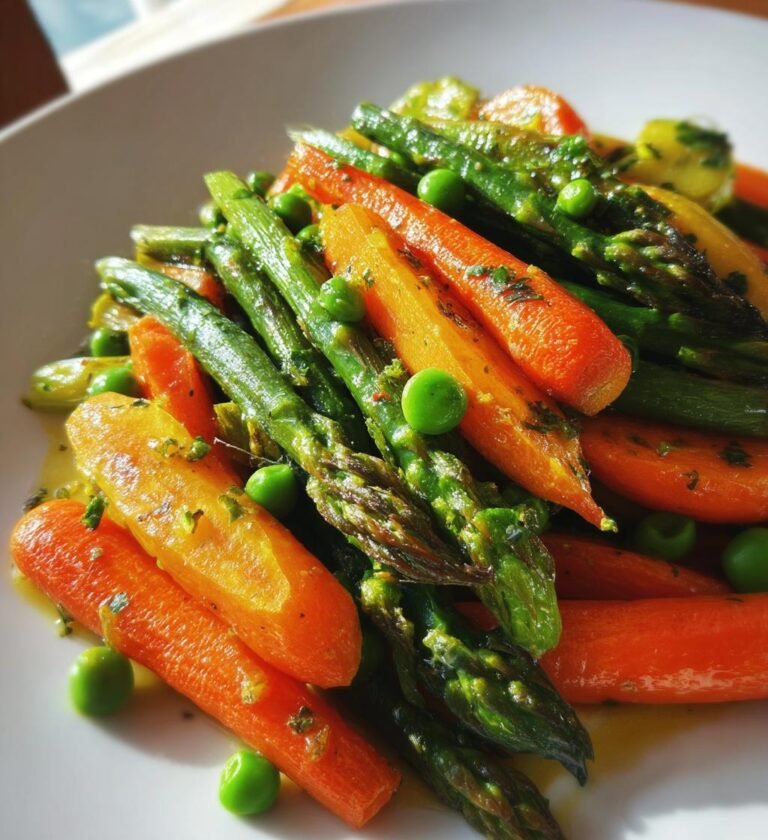
Seasonal Vegetable-Based Recipes Rising for a Joyful Spring Feast
Delicious seasonal vegetable-based recipes to welcome spring.
- Total Time: 30 minutes
- Yield: 4 servings 1x
Ingredients
- 2 cups asparagus, trimmed
- 1 cup peas, fresh or frozen
- 1 cup carrots, sliced
- 1 tablespoon olive oil
- 1 teaspoon salt
- 1/2 teaspoon black pepper
- 1 tablespoon lemon juice
Instructions
- Preheat your oven to 400°F (200°C).
- In a large bowl, combine asparagus, peas, and carrots.
- Drizzle with olive oil and season with salt and pepper.
- Toss to coat the vegetables evenly.
- Spread the vegetables on a baking sheet.
- Roast for 20 minutes or until tender.
- Remove from the oven and drizzle with lemon juice before serving.
Notes
- Feel free to add any other seasonal vegetables you like.
- Serve warm or at room temperature.
- This dish works well as a side or a main dish with grains.
- Prep Time: 10 minutes
- Cook Time: 20 minutes
- Category: Vegetable Dish
- Method: Roasting
- Cuisine: American
- Diet: Vegan
Nutrition
- Serving Size: 1 serving
- Calories: 150
- Sugar: 3g
- Sodium: 200mg
- Fat: 7g
- Saturated Fat: 1g
- Unsaturated Fat: 6g
- Trans Fat: 0g
- Carbohydrates: 20g
- Fiber: 5g
- Protein: 4g
- Cholesterol: 0mg
Keywords: seasonal vegetables, spring recipes, vegetable-based dishes