
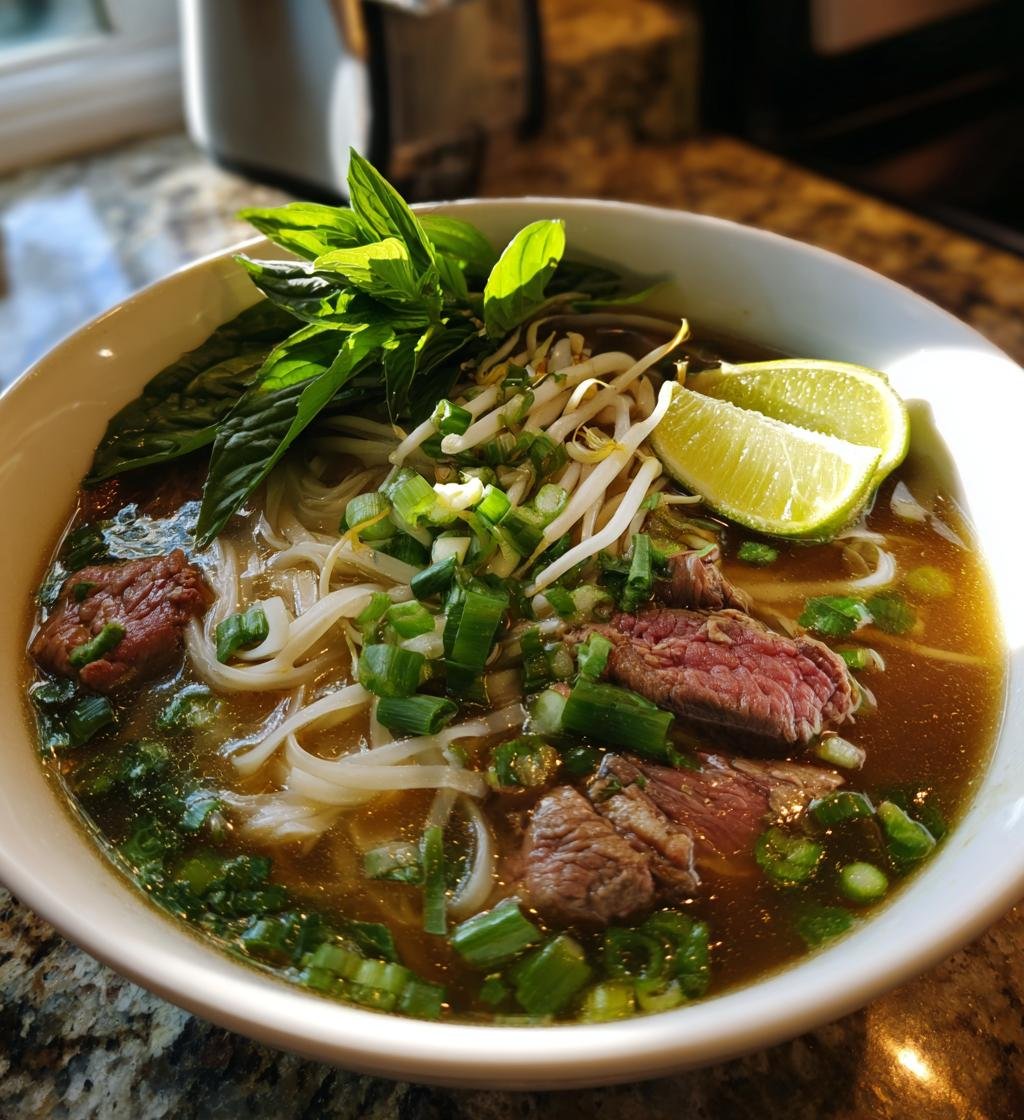
Ah, Pho July! Just saying the name brings a warm smile to my face and a rush of memories. This traditional Vietnamese noodle soup has been a staple in my family for as long as I can remember, and every bowl tells a story. The fragrant broth simmering on the stove, the enticing aroma of spices wafting through the air—it’s as if each ingredient is whispering tales of its origin. I’ll never forget the first time I slurped my way through a bowl at a tiny street stall in Hanoi. The explosion of flavors—savory, spicy, and just the right hint of sweetness—had me hooked instantly. Making Pho July at home is my way of reliving that experience, sharing it with friends and family. Trust me, when you perfect this recipe, you’ll feel like a culinary magician, transforming simple ingredients into a comforting hug in a bowl. Get ready to dive into a world of flavor!
Ingredients for Pho July
To create a truly authentic Pho July, you’ll want to gather a few key ingredients that work together to make that incredible, fragrant broth and those delicious rice noodles. Let’s get into the essentials!
Essential Ingredients
- 1 lb beef bones: Use marrow or knuckle bones for a rich flavor. They help create that deep, hearty broth we all love.
- 1 onion, halved: This will add sweetness and depth to your broth. Make sure to roast it to bring out those amazing flavors!
- 1 ginger root, halved: Don’t skip this—ginger adds a wonderful warmth and spice. Roasting it helps enhance the aroma.
- 3 star anise: These little pods are a must for that signature Pho flavor. They add a sweet, licorice-like taste that’s just divine.
- 1 cinnamon stick: It brings warmth and a hint of sweetness, balancing out the spices beautifully.
- 1 tsp coriander seeds: These little seeds pack a punch! They add a citrusy flavor that brightens the broth.
- 1 tsp fennel seeds: Fennel adds a sweet, aromatic note that complements the other spices perfectly.
- 1 lb rice noodles: Make sure to get the flat rice noodles, as they soak up the broth and create that perfect texture.
- 1 lb thinly sliced beef: I love using tender cuts like sirloin or ribeye; they cook quickly and are oh-so-tender in the broth.
- 3 green onions, chopped: These are for garnish, adding freshness and a pop of color to your bowl.
- 1 cup bean sprouts: They add a delightful crunch—trust me, you’ll want these!
- Fresh basil leaves: Thai basil is ideal if you can find it; it brings an aromatic flair to your soup.
- Lime wedges: A squeeze of lime at the end brightens all the flavors up—don’t skip this step!
Gather these ingredients, and you’re well on your way to making a bowl of Pho July that will transport you straight to Vietnam with every delicious spoonful!
How to Prepare Pho July
Now that you’ve got your ingredients ready, let’s dive into the magic of preparing Pho July! The process might seem a bit lengthy, but believe me, the end result is absolutely worth every minute. Let’s break it down step by step!
Step-by-Step Instructions
- Roast the flavors: Preheat your oven to 400°F (200°C). Grab those beef bones, the halved onion, and ginger. Place them on a baking sheet and roast them for about 30 minutes. This step is crucial! Roasting brings out the deep, rich flavors that will make your broth irresistible.
- Simmer for greatness: In a large pot, add the roasted bones, onion, and ginger. Cover everything with water—about 10 cups should do. Bring it to a boil, then reduce the heat to a gentle simmer. Let it simmer away for at least 4 hours. Yes, you read that right! This long, slow cook is what creates that rich, flavorful broth we’re after.
- Add the spices: After 4 hours, toss in the star anise, cinnamon stick, coriander seeds, and fennel seeds. Let it simmer for another hour. Your kitchen will start smelling like a Vietnamese restaurant—heavenly!
- Strain the broth: Once the broth is ready, strain it through a fine-mesh sieve or cheesecloth into a clean pot. You want a clear, fragrant broth, so don’t skip this step! Return the strained broth to the pot and season it with salt to taste. Remember, taste as you go!
- Cook the noodles: While the broth is doing its thing, cook your rice noodles according to the package instructions. Make sure they’re al dente, as they’ll continue to cook a bit when you add the broth.
- Assemble your bowls: Place a generous portion of cooked noodles in each bowl. Top them with the thinly sliced beef. The hot broth will cook the beef perfectly when poured over it!
- Garnish and serve: Pour that steaming hot broth over the noodles and beef. Finish with chopped green onions, a handful of bean sprouts, fresh basil leaves, and a squeeze of lime. Dig in, and enjoy!
Cooking Tips
To ensure your Pho July turns out absolutely perfect, here are a few tips I swear by:
- Don’t rush the broth: The longer you simmer, the richer the flavor. If you can, make the broth a day ahead—flavors deepen overnight!
- Adjust the seasoning: Taste your broth throughout the cooking process. Everyone has different preferences when it comes to seasoning, so feel free to adjust according to your taste!
- Noodle texture matters: Be careful not to overcook the rice noodles. They should be tender but still have a little bite to them. No one wants mushy noodles!
- Customize your toppings: Feel free to add in other toppings like sliced jalapeños, hoisin sauce, or Sriracha for an extra kick. Pho is all about personal touch!
Why You’ll Love This Recipe
There’s so much to adore about making your own Pho July at home! This recipe is more than just a meal; it’s an experience that brings together rich flavors and health benefits. Here’s why you’ll fall in love with it:
- Rich and Complex Flavor: The slow-simmered broth is packed with deep, aromatic flavors that you simply can’t replicate with store-bought versions. Each spoonful tells a story!
- Health Benefits: Packed with protein from the beef and loaded with fresh herbs and vegetables, Pho July is a nutritious choice that warms your soul.
- Customizable: You can tailor your bowl to your liking! Add extra veggies, adjust the spice level, or switch up the protein to make it your own.
- Fun to Make: The process of creating Pho July is a labor of love. It’s therapeutic to roast the ingredients and watch the broth transform into liquid gold.
- Great for Sharing: Whether it’s a cozy dinner for two or a gathering with friends, this dish brings everyone together around the table, sharing laughter and stories.
- Easy to Prepare: While it may take some time, the steps are straightforward, and you can enjoy the process without the stress. Plus, the flavors only get better with time!
Trust me, once you master this recipe, it’ll become a cherished favorite that you’ll want to make again and again!
Nutritional Information
Now, let’s talk about the nutritional side of this delicious Pho July! Each bowl is brimming with flavor and offers a hearty meal that won’t weigh you down. Here’s the estimated breakdown of what you’re enjoying:
- Serving Size: 1 bowl
- Calories: 500
- Fat: 15g
- Saturated Fat: 6g
- Trans Fat: 0g
- Unsaturated Fat: 7g
- Cholesterol: 70mg
- Sodium: 800mg
- Carbohydrates: 70g
- Sugar: 2g
- Fiber: 2g
- Protein: 30g
These values are estimates and can vary based on the specific ingredients you use, but overall, you’re getting a nutritious and satisfying meal that’s packed with protein and vibrant veggies! Enjoy the goodness of Pho July without the guilt!
FAQ Section
What can I substitute for beef bones?
If you don’t have beef bones on hand, don’t worry! You can use chicken bones or even a mix of beef and chicken bones for a different flavor profile. Another great option is to use a store-bought beef broth or stock as a base. Just remember, the more bones or broth you use, the richer your Pho July will be. If you’re in a pinch, even vegetable stock can work, but it’ll alter the traditional flavor a bit.
Can I make Pho July vegetarian?
Absolutely! To create a delicious vegetarian version of Pho July, simply replace the beef bones with a robust vegetable broth. You can make your own by simmering onions, carrots, mushrooms, and any other veggies you love along with the same spices. For protein, add tofu or tempeh, and don’t forget to load up on those fresh herbs and veggies like bean sprouts and basil. You can still enjoy the aromatic flavors that make Pho so special!
How do I store leftovers?
Storing leftovers is super easy! First, let your Pho cool down to room temperature. Then, separate the broth from the noodles and toppings to keep everything fresh. Store the broth in an airtight container in the fridge for up to 3-4 days. The noodles can also go in a separate container, but they tend to soak up the broth, so it’s best to eat them fresh. When you’re ready to enjoy your leftovers, just reheat the broth on the stove and add the noodles and toppings back in for a quick meal!
Tips for Success
Making Pho July is a delightful journey, but there are a few tips and tricks that can help you navigate the process and avoid common pitfalls. Trust me, these little nuggets of wisdom will elevate your dish to restaurant-quality!
- Choose the right bones: For the best flavor, opt for marrow bones or a mix of bones with some meat on them. The marrow adds a richness that’s hard to beat. If you can find oxtail, it’s a fantastic addition!
- Keep an eye on the simmer: A gentle simmer is key! If your broth is boiling too vigorously, it can become cloudy. You want those beautiful, clear flavors to shine through.
- Skim the fat: As the broth simmers, you’ll notice foam and fat rising to the surface. Don’t forget to skim these off occasionally to keep your broth clean and light.
- Prep your toppings ahead: While the broth is simmering, take the time to wash and chop your herbs and veggies. This way, when it’s time to serve, you can assemble your bowls quickly and enjoy the moment!
- Experiment with spices: Don’t be afraid to adjust the spices to your taste. If you love a little more heat, try adding some fresh chili or a dash of Sriracha to your bowl. Pho is all about personalization!
- Serve immediately: Pho is best enjoyed fresh! The noodles and toppings should be added right before serving to ensure the perfect texture. If you let it sit too long, the noodles can get mushy.
- Practice makes perfect: If it’s your first time, don’t worry if everything isn’t perfect! Each batch will teach you something new, so embrace the process. The more you make it, the better it gets!
Follow these tips, and you’ll be well on your way to crafting a bowl of Pho July that not only tastes incredible but also brings joy to everyone who shares it with you. Happy cooking!
Serving Suggestions
Now that you’ve created a delicious bowl of Pho July, let’s talk about how to elevate your meal experience! While Pho is a star on its own, pairing it with the right side dishes and beverages can take your dining experience to the next level. Here are some of my favorite suggestions:
- Vietnamese Spring Rolls: These fresh, vibrant rolls filled with shrimp, veggies, and herbs are the perfect complement to Pho. They add a crunchy texture and a burst of freshness that balances the warm broth beautifully!
- Grilled Pork Skewers: Tender, marinated pork skewers bring a smoky flavor that pairs wonderfully with the spices in your Pho. The combination of savory meat and aromatic broth is simply irresistible!
- Pickled Vegetables: A small side of pickled carrots and daikon radish adds a tangy crunch that complements the rich broth. Their acidity cuts through the richness and refreshes your palate!
- Chili Sauce or Sriracha: Keep a bottle of your favorite chili sauce on the table for those who like an extra kick. A few drops can elevate the flavor and add a delightful heat to your bowl!
- Herbal Tea: A soothing cup of jasmine or green tea pairs beautifully with Pho. The light, fragrant notes of the tea enhance the dish without overpowering it, making for a perfect match!
- Fresh Fruit: End your meal with a light dessert like tropical fruit salad or slices of ripe mango. The natural sweetness of the fruit is a refreshing way to cleanse your palate after the savory soup.
No matter how you choose to serve it, these pairings will create a delightful dining experience that celebrates the vibrant flavors of Vietnamese cuisine. Enjoy every moment around the table—because that’s where the magic happens!
Call to Action
I hope you’ve enjoyed this journey into the world of Pho July as much as I have! Now it’s your turn to dive in and create your own delicious bowl. I’d love to hear about your experiences! Have you tried making Pho July at home? What toppings did you choose? Did you make any fun tweaks to the recipe? Please leave a comment below and share your thoughts—I can’t wait to read them!
If you loved this recipe, don’t forget to give it a rating! Your feedback not only helps me but also inspires others to give it a go. And hey, if you snapped any mouthwatering photos while cooking, feel free to share them on social media. Tag me so we can celebrate our love for this amazing dish together! Happy cooking, and may your bowls be ever flavorful!
Print
Pho July: 7 Reasons You’ll Crave This Flavor-Packed Dish
A traditional Vietnamese noodle soup with fragrant broth, rice noodles, and various toppings.
- Total Time: 5 hours 30 minutes
- Yield: 4 servings 1x
Ingredients
- 1 lb beef bones
- 1 onion, halved
- 1 ginger root, halved
- 3 star anise
- 1 cinnamon stick
- 1 tsp coriander seeds
- 1 tsp fennel seeds
- 1 lb rice noodles
- 1 lb thinly sliced beef
- 3 green onions, chopped
- 1 cup bean sprouts
- Fresh basil leaves
- Lime wedges
Instructions
- Roast the beef bones, onion, and ginger in the oven at 400°F for 30 minutes.
- In a large pot, add the roasted ingredients and cover with water. Simmer for at least 4 hours.
- Add star anise, cinnamon, coriander, and fennel. Simmer for another hour.
- Strain the broth and return to the pot. Season with salt to taste.
- Cook rice noodles according to package instructions.
- Place cooked noodles in bowls, top with sliced beef, and pour hot broth over them.
- Garnish with green onions, bean sprouts, basil, and lime.
Notes
- Adjust spices according to your preference.
- Use a meatier cut for richer broth.
- Serve immediately for best flavor.
- Prep Time: 30 minutes
- Cook Time: 5 hours
- Category: Soup
- Method: Simmering
- Cuisine: Vietnamese
- Diet: Gluten Free
Nutrition
- Serving Size: 1 bowl
- Calories: 500
- Sugar: 2g
- Sodium: 800mg
- Fat: 15g
- Saturated Fat: 6g
- Unsaturated Fat: 7g
- Trans Fat: 0g
- Carbohydrates: 70g
- Fiber: 2g
- Protein: 30g
- Cholesterol: 70mg
Keywords: Pho, Vietnamese soup, noodle soup, beef broth