
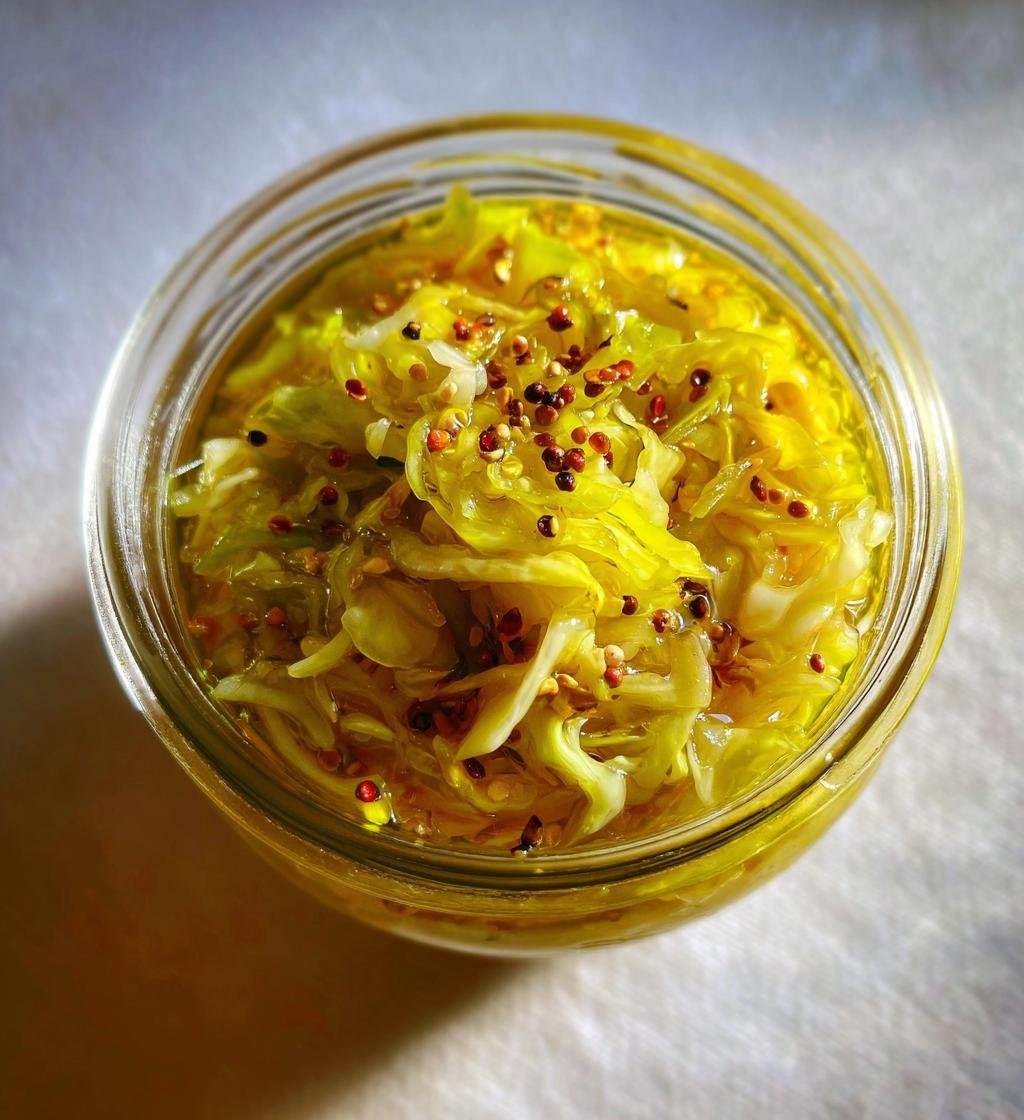
Fermented and preserved foods are like little jars of magic that not only enhance our meals but also bring a burst of health benefits! I remember the first time I made my own sauerkraut. I was skeptical, but after a week of patiently watching my cabbage transform into something tangy and delicious, I was hooked! It’s incredible how just a few basic ingredients can come together to create flavors that dance on your palate.
Fermentation isn’t just about taste; it’s also a fantastic way to boost your gut health. Those friendly bacteria that develop during the fermentation process can help with digestion and overall wellness. Plus, preserving foods extends their shelf life, making it easier to enjoy seasonal vegetables all year round. I love the feeling of opening a jar of my homemade pickles in the middle of winter, bringing a taste of summer right to my table. Trust me, once you dive into the world of fermented and preserved food recipes, you’ll never look at food the same way again! Get ready to unleash your inner alchemist in the kitchen!
Ingredients for Fermented & Preserved Food Recipes
- 1 cup of finely shredded cabbage
- 1 tablespoon of kosher salt
- 1 tablespoon of granulated sugar
- 1 garlic clove, minced (for that extra zing!)
- 1 teaspoon of whole peppercorns (or more if you love a bit of heat!)
- Water (enough to cover the cabbage in the jar)
These ingredients might seem simple, but together they create a vibrant and tangy flavor explosion that you won’t forget! The key here is freshness, especially with the cabbage. Try to get the best quality you can find; it makes all the difference in your ferment!
How to Prepare Fermented & Preserved Food Recipes
Alright, let’s dive into the fun part! Making your own fermented cabbage is like a little science experiment and a cooking adventure rolled into one. So, grab your ingredients and let’s get started!
- Shred the Cabbage: Begin by finely shredding your fresh cabbage. You can use a sharp knife or a box grater. Aim for thin slices – this helps with fermentation and makes it easier to pack into the jar.
- Mix the Ingredients: In a large bowl, combine your shredded cabbage, kosher salt, granulated sugar, minced garlic, and whole peppercorns. Get in there with your hands and really mix it up! You want the salt and sugar to start drawing moisture out of the cabbage. You’ll feel it start to soften and become a little juicy after a few minutes.
- Pack into the Jar: Grab a clean, sterilized jar and start packing the cabbage mixture in. Press it down firmly with your fist or a tamper as you go. This is super important – you want to release as much juice as possible. The liquid should cover the cabbage completely to prevent spoilage.
- Add Water: If the cabbage isn’t fully submerged, add a little water to cover it. Remember, the cabbage needs to be submerged to ferment properly!
- Seal and Store: Seal the jar tightly with a lid. Now, place it in a cool, dark place at room temperature for 1 to 2 weeks. Keep an eye on it, and don’t be surprised if you see bubbles or foam – that’s a good sign!
- Taste Test: After a week, start tasting your ferment. You want that perfect balance of tangy and crunchy. Once it reaches your desired flavor, pop it in the fridge to slow down the fermentation process. This will help preserve its flavor and texture.
And there you go! You’ve just created your very own fermented cabbage. It’s such a rewarding process, and I promise you’ll feel like a fermentation pro in no time. Enjoy the journey, and don’t forget to savor the delicious rewards!
Why You’ll Love This Recipe
- Health Boost: Fermented foods are packed with probiotics that promote gut health and aid digestion. Your tummy will thank you!
- Flavor Explosion: This recipe transforms simple cabbage into a tangy delight that adds a zesty kick to sandwiches, salads, and more.
- Easy to Make: With minimal ingredients and straightforward steps, you’ll be amazed at how simple it is to create delicious fermented foods at home.
- Long Shelf Life: Once fermented, your creations can last for months in the fridge, so you’ll always have a tasty condiment on hand.
- Customizable: Feel free to experiment with different spices and vegetables, making each batch uniquely yours!
- Seasonal Enjoyment: Preserve the tastes of summer and enjoy them all year round, bringing a burst of flavors to your winter meals.
Tips for Success in Fermented & Preserved Food Recipes
Getting the best results from your fermentation adventure is all about a few simple yet crucial steps. First off, cleanliness is key! Always use clean utensils and jars to avoid any unwanted bacteria that could spoil your delicious creations. I can’t stress enough how important it is to keep everything sterile!
Next, keep an eye on your ferment. Check it daily for bubbles or foam – that’s a sign of active fermentation and a good sign that things are going well! If you notice any weird smells or colors, don’t hesitate to toss it and start again; safety first, right?
Taste testing is my favorite part! Don’t be shy; sample your ferment after a week or so. You can adjust the flavor by letting it ferment longer for a tangier taste or refrigerate it sooner if you prefer a milder flavor. Remember, each batch can be a little different, so trust your taste buds!
And lastly, don’t hesitate to play around with ingredients! Add more garlic for a punchier flavor or experiment with different spices. The beauty of fermented foods is that you can truly make them your own. Happy fermenting!
Variations on Fermented & Preserved Food Recipes
The world of fermentation is bursting with possibilities, and I can’t wait for you to explore them! While cabbage is a classic choice, there are so many other vegetables that can shine in this process. Think about using carrots, beets, or even radishes! Each brings its own unique flavor and texture to the table.
If you’re feeling adventurous, try adding different spices to amp up the flavor. A few slices of ginger will add a warm zing, or toss in some chili flakes for a spicy kick. You can also experiment with herbs like dill or thyme for a fresh twist. The combinations are endless!
Another fun method is to mix and match vegetables. How about a fermented carrot and ginger medley? Or a vibrant beet and garlic blend? You’ll not only enjoy the variety in taste but also the beautiful colors on your plate. Just remember to follow the same basic steps for fermentation, and you’re all set!
So grab those veggies and get creative! Each batch can be a new adventure waiting to happen, and I promise you’ll discover flavors that will make your taste buds dance!
Nutritional Information
Before diving into the deliciousness, let’s chat about the nutritional info! Keep in mind that nutrition can vary based on the specific ingredients and brands you choose, so this overview is a general guide. Each serving, which is about 1/4 cup of your homemade fermented cabbage, typically contains:
- Calories: 20
- Fat: 0g
- Sodium: 100mg
- Carbohydrates: 4g
- Fiber: 1g
- Protein: 1g
- Sugar: 1g
This tangy treat is not only low in calories but also packs a fiber punch, making it a great addition to your meals. Plus, the probiotics from fermentation help support your gut health, giving you even more reasons to enjoy every crunchy bite!
Storage & Reheating Instructions
Storing your homemade fermented foods is super simple! Once your cabbage has reached its desired tanginess, transfer the jar to the refrigerator. This will slow down the fermentation process and keep those vibrant flavors intact. Make sure to keep it tightly sealed to prevent any unwanted odors from seeping in. Your fermented cabbage can last for up to 6 months in the fridge, so you’ll have plenty of time to enjoy it!
If you find yourself with leftover fermented cabbage, just scoop out what you need, and close the jar right back up. There’s no need to reheat this delicious treat; it’s best served cold or at room temperature! Toss it into salads, sandwiches, or enjoy it straight from the jar. Trust me, the crunch and flavor are irresistible!
FAQ Section for Fermented & Preserved Food Recipes
Q1: Can I use different types of cabbage for fermentation?
Absolutely! While green cabbage is the classic choice, you can also use red cabbage for a beautiful color and slightly different flavor. Napa cabbage works well too and adds a unique taste. Just remember to follow the same process!
Q2: What should I do if my ferment smells bad?
If you encounter any off-putting smells, it’s best to err on the side of caution. A healthy ferment should smell pleasantly tangy or slightly sour. If you notice a foul odor, it may be a sign of spoilage, and it’s safest to discard it. Don’t worry; you can always start fresh!
Q3: How can I adjust the spice levels in my fermented foods?
Want to kick up the heat? You can easily add more peppercorns or even throw in some chili flakes or fresh jalapeños when mixing your ingredients. Feel free to taste test during the fermentation process to find that perfect balance for your palate!
Q4: How do I know when my fermented cabbage is ready?
Great question! Taste testing is key here. Start checking your ferment after about a week. If it’s tangy enough for your liking, it’s time to move it to the fridge. If you prefer a stronger flavor, let it ferment longer. Just keep an eye on it!
Q5: Can I use other sweeteners instead of sugar?
Sure thing! If you want to skip granulated sugar, you can use honey or maple syrup as alternatives. They’ll add their own unique flavors to the mix, just be sure to adjust the amount to suit your taste! Experimentation is part of the fun!
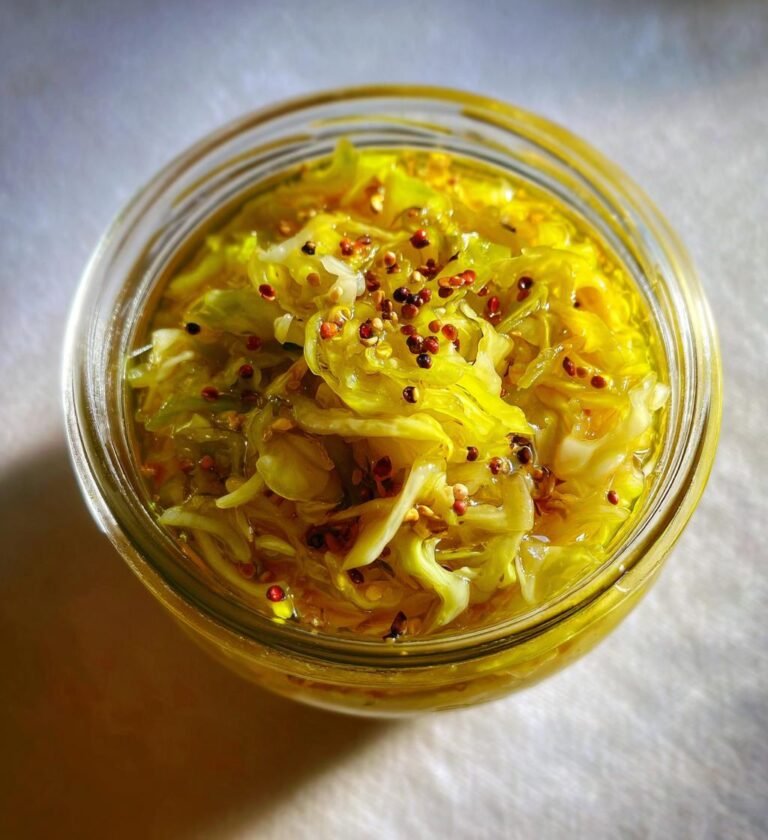
Fermented & Preserved Food Recipes: 7 Secrets to Flavorful Health
Learn how to make various fermented and preserved foods.
- Total Time: 2 weeks
- Yield: 1 quart 1x
Ingredients
- 1 cup of cabbage
- 1 tablespoon of salt
- 1 tablespoon of sugar
- 1 garlic clove, minced
- 1 teaspoon of peppercorns
- Water
Instructions
- Shred the cabbage finely.
- In a bowl, mix cabbage, salt, sugar, garlic, and peppercorns.
- Pack the mixture into a jar, pressing down to release juices.
- Add water to cover the cabbage.
- Seal the jar and leave it at room temperature for 1-2 weeks.
- Taste the ferment and refrigerate when desired flavor is reached.
Notes
- Use clean utensils to avoid contamination.
- Check daily for bubbles or foam.
- Store in a cool, dark place.
- Prep Time: 15 minutes
- Cook Time: 0 minutes
- Category: Fermented Foods
- Method: Fermentation
- Cuisine: Global
- Diet: Vegan
Nutrition
- Serving Size: 1/4 cup
- Calories: 20
- Sugar: 1g
- Sodium: 100mg
- Fat: 0g
- Saturated Fat: 0g
- Unsaturated Fat: 0g
- Trans Fat: 0g
- Carbohydrates: 4g
- Fiber: 1g
- Protein: 1g
- Cholesterol: 0mg
Keywords: Fermented food, preserved food, recipes