
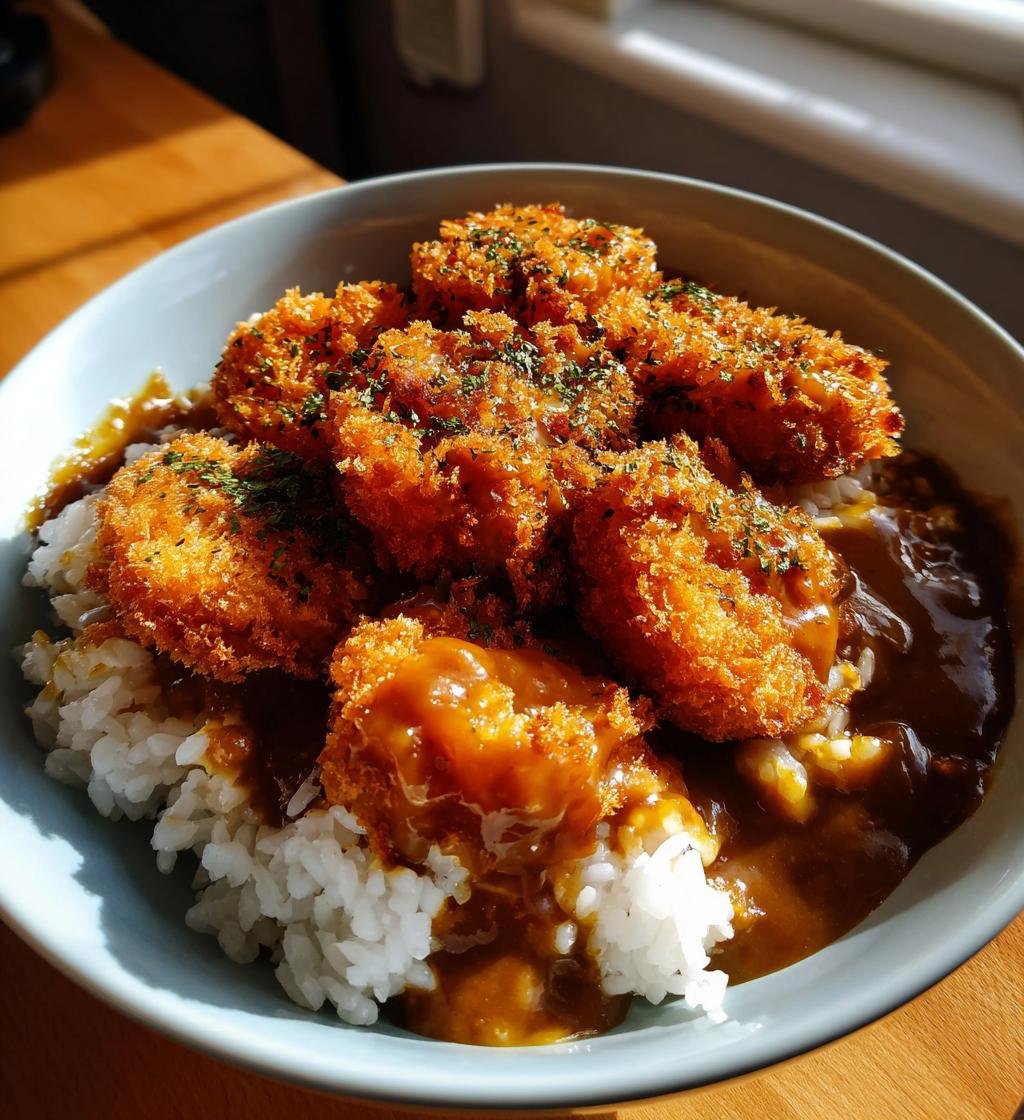
Oh my goodness, let me tell you about Japanese katsu curry! It’s one of those dishes that instantly wraps you in a warm hug. The combination of crispy, breaded pork chops served with a rich, velvety curry sauce over fluffy rice is just pure comfort food. I remember the first time I tried it at a little corner restaurant in Tokyo. The flavors danced on my palate—sweet, savory, and just a hint of spice. It’s not just a meal; it’s an experience! The crunch of the katsu and the aromatic curry sauce create a beautiful harmony that makes my heart sing every time I make it at home. Plus, it’s so satisfying to see everyone’s faces light up as they dig in! Trust me, once you get a taste of this delightful dish, you’ll understand why it holds a special place in my heart and in Japanese cuisine. It’s simply irresistible!
What is Japanese Katsu Curry?
Japanese katsu curry is a beloved dish that beautifully combines two culinary traditions: the crispy katsu and the rich, aromatic curry. The origins of katsu can be traced back to the late 19th century when Western influences began to permeate Japanese cuisine. Originally, katsu referred to breaded and fried meat, typically pork or chicken, which became a hit among locals. Then, curry was introduced to Japan by the British, and it quickly evolved into a uniquely Japanese version, thickened and sweetened to cater to Japanese palates.
Today, katsu curry is a staple in Japanese households and restaurants, embodying comfort and satisfaction. The dish features perfectly fried pork chops, known as tonkatsu, served over a bed of fluffy rice, all smothered in a hearty curry sauce made with onions, carrots, and a blend of spices. This delightful marriage of flavors and textures makes katsu curry not only a meal but a celebration of culinary creativity that continues to warm hearts across Japan and beyond!
Ingredients for Japanese Katsu Curry
To whip up a comforting plate of Japanese katsu curry, you’ll need the following ingredients. Trust me, these elements come together to create the most delightful flavor explosion!
- 4 pork chops, trimmed and pounded to an even thickness for perfect cooking
- 1 cup panko breadcrumbs, preferably Japanese style for that extra crunch
- 1 cup all-purpose flour, to coat the pork and help the breadcrumbs stick
- 2 large eggs, beaten well for that lovely binding
- 2 cups rice, any type you prefer but I love using Japanese short-grain rice for the stickiness
- 2 tablespoons curry powder, adjust this to your spice preference
- 1 onion, sliced thinly for a sweet, caramelized flavor
- 2 carrots, diced into bite-sized pieces for a pop of color and sweetness
- 4 cups chicken broth, homemade if you have it, for the richest sauce
- Salt and pepper to taste, because seasoning is everything!
Gather these ingredients and get ready for a delightful cooking adventure! You’ll see how they transform into a dish that’s sure to impress!
How to Prepare Japanese Katsu Curry
Alright, let’s dive into the wonderful process of preparing Japanese katsu curry! Trust me, it’s easier than you might think, and the end result is worth every bit of effort. Follow these steps, and you’ll be enjoying a delicious plate of comfort in no time!
Cooking the Rice
First things first, let’s get that rice cooking! Rinse 2 cups of rice under cold water until the water runs clear. This removes excess starch and helps achieve that lovely fluffy texture. Combine the rinsed rice with 2 cups of water in a pot, add a pinch of salt, and bring it to a boil. Once boiling, reduce the heat to low, cover with a lid, and let it simmer for about 15 minutes. Don’t lift the lid during this time; let the steam work its magic! After 15 minutes, turn off the heat and let it sit, covered, for another 10 minutes. This ensures your rice becomes perfectly tender and sticky.
Preparing the Pork Chops
While the rice is cooking, let’s focus on those pork chops! Season 4 trimmed and pounded pork chops generously with salt and pepper. Set up a dredging station with three shallow bowls: one with 1 cup of flour, another with 2 beaten eggs, and the last with 1 cup of panko breadcrumbs. Start by coating each chop in flour, shaking off any excess. Then, dip it in the egg mixture, allowing any excess to drip off, before finally coating it in the panko. Make sure to press the breadcrumbs onto the pork so they stick well. This step is crucial for that crispy exterior!
Frying the Pork
Now, it’s time to fry! Heat a generous amount of oil in a large skillet over medium-high heat. You want the oil to be hot—around 350°F (175°C)—so the pork sizzles when it hits the pan. Carefully place the breaded pork chops in the hot oil, making sure not to overcrowd the pan. Fry them for about 4-5 minutes on each side, or until they’re golden brown and cooked through. Use a meat thermometer to ensure they reach an internal temperature of 145°F (63°C). Once cooked, transfer them to a paper towel-lined plate to absorb any excess oil.
Making the Curry Sauce
In the same skillet, let’s make that delicious curry sauce! Remove any excess oil, leaving about 1 tablespoon. Sauté 1 sliced onion and 2 diced carrots for about 5 minutes, or until they’re tender and fragrant. Sprinkle in 2 tablespoons of curry powder and stir for about a minute to bloom the spices. Then, pour in 4 cups of chicken broth, scraping any browned bits off the bottom of the pan. Bring it to a gentle simmer for about 15 minutes, allowing the flavors to meld together beautifully.
Serving the Dish
Finally, it’s time to serve up this masterpiece! Slice the crispy pork chops into strips and place them over a bed of fluffy rice. Generously ladle the warm curry sauce over the top, making sure to cover each piece of pork. For a delightful presentation, sprinkle some sliced green onions or pickled vegetables on the side. The vibrant colors will make your dish pop and enhance the overall experience. Dig in and enjoy every comforting bite!
Nutritional Information Disclaimer
It’s important to note that the nutritional information for Japanese katsu curry can vary based on the specific ingredients and brands you use. Factors like the type of pork, the brand of curry powder, and even the rice can all influence the overall nutrition. While I’ve provided some general estimates, specific nutritional data is not precisely calculated and should be used as a rough guideline. Always feel free to adjust the recipe to fit your dietary needs or preferences. Happy cooking!
Why You’ll Love This Recipe
- Quick and easy to make: With just a few simple steps, you can have this delicious dish on the table in under an hour, making it perfect for busy weeknights!
- Comforting and flavorful: The combination of crispy katsu and rich curry sauce creates a warm, satisfying meal that feels like a cozy hug on a plate.
- Versatile with protein options: Whether you prefer pork, chicken, or even tofu, you can easily switch up the protein to suit your taste or dietary needs!
- Great for meal prep: This dish stores beautifully, so you can make a big batch and enjoy it throughout the week—perfect for those who love to plan ahead!
Tips for Success with Japanese Katsu Curry
Alright, let’s make sure your Japanese katsu curry turns out perfect every time! Here are some of my top tips that I’ve learned through trial and error, and trust me, they make a world of difference!
Getting the Oil Temperature Just Right
This is crucial for achieving that golden, crispy coating! Before frying, I always drop a small piece of bread into the oil. If it sizzles and bubbles immediately, you’re good to go! If not, wait a minute and try again. That perfect hot oil ensures a beautiful crunch without soaking up too much grease.
Adjusting Spice Levels
Not everyone enjoys the same level of spice, and that’s okay! Start with the suggested 2 tablespoons of curry powder, but feel free to taste the curry sauce as it simmers. If you like it spicier, add a little more curry powder or even a pinch of cayenne pepper. Just remember, you can always add more, but you can’t take it out once it’s in!
Letting the Pork Rest
Once you’ve fried your pork chops, let them rest for a few minutes before slicing. This allows the juices to redistribute, ensuring each bite is tender and juicy. No one wants a dry katsu, right?
Experimenting with Vegetables
Feel free to get creative with your curry sauce! While onions and carrots are classic, you can add peas, bell peppers, or even sweet potatoes for a twist. Just be mindful of cooking times; you want everything to be tender but not mushy!
Presentation Matters
Finally, don’t underestimate the power of a nice presentation! A sprinkle of chopped green onions or a side of pickled vegetables not only adds a pop of color but also enhances the dish’s flavor. Trust me, it makes a difference when you eat with your eyes first!
With these tips in your back pocket, you’re all set to create a delightful katsu curry that’ll impress family and friends alike! Enjoy the process, and happy cooking!
Variations of Japanese Katsu Curry
One of the best things about Japanese katsu curry is how versatile it is! You can easily switch things up, making it your own or adapting it to what you have on hand. Here are some fun variations that I absolutely love!
Switching Up the Protein
If you’re not in the mood for pork, don’t worry! Chicken katsu is a fantastic alternative. Just follow the same steps, using chicken breasts or thighs instead. For a vegetarian option, go for tofu! Press the tofu to remove excess moisture, then slice it into thick slabs and coat it just like you would with the pork. You’ll end up with a delightful crispy coating!
Mixing in Different Vegetables
While onions and carrots are classics, you can jazz up your curry sauce with other veggies too! Try adding bell peppers, zucchini, or even sweet potatoes for a little sweetness. Just remember to chop them into bite-sized pieces and adjust the cooking time so everything becomes tender and flavorful.
Experimenting with Curry Flavors
If you want to take your curry to the next level, play around with different curry powders or even try adding a splash of coconut milk for a creamier texture and a hint of sweetness. You can also include a tablespoon of soy sauce or Worcestershire sauce for an extra umami kick!
Serving with Different Sides
Traditionally, katsu curry is served over rice, but why not try it with udon noodles or even quinoa? The chewy texture of udon noodles pairs beautifully with the curry sauce, and quinoa gives you a protein-packed alternative. The possibilities are endless!
With these variations, you’ll never get bored of katsu curry. It’s all about making it your own, so feel free to get creative and have fun in the kitchen!
Storage & Reheating Instructions
Now that you’ve enjoyed your delicious Japanese katsu curry, let’s talk about how to store those delightful leftovers properly. Trust me, you’ll want to savor every last bite!
First, let the curry and any leftover rice cool to room temperature. Once cooled, transfer the curry to an airtight container. For the rice, you can use a separate container or even store it in the same one if you prefer. Just make sure to keep them in separate sections to maintain the best texture!
Store the containers in the refrigerator for up to 3-4 days. If you want to keep it longer, you can freeze the curry and rice. Just remember to use freezer-safe containers and label them with the date. It should last for about 2-3 months in the freezer, so you can enjoy it even later!
When it’s time to reheat, there are a couple of methods to keep that flavor and texture intact. For the curry, you can reheat it on the stovetop over medium heat. Just add a splash of water or chicken broth to loosen it up, stirring occasionally until heated through. If you’re in a hurry, you can also pop it in the microwave in a microwave-safe bowl; just cover it with a damp paper towel and heat in short intervals, stirring in between.
As for the rice, you can reheat it in the microwave with a splash of water to create steam, covering it with a damp paper towel. This will help keep it fluffy and prevent it from drying out. If you prefer, you can also reheat it on the stovetop with a little water in a covered pan.
Now you’re all set to enjoy your katsu curry leftovers just as much as the first time! Happy eating!
Print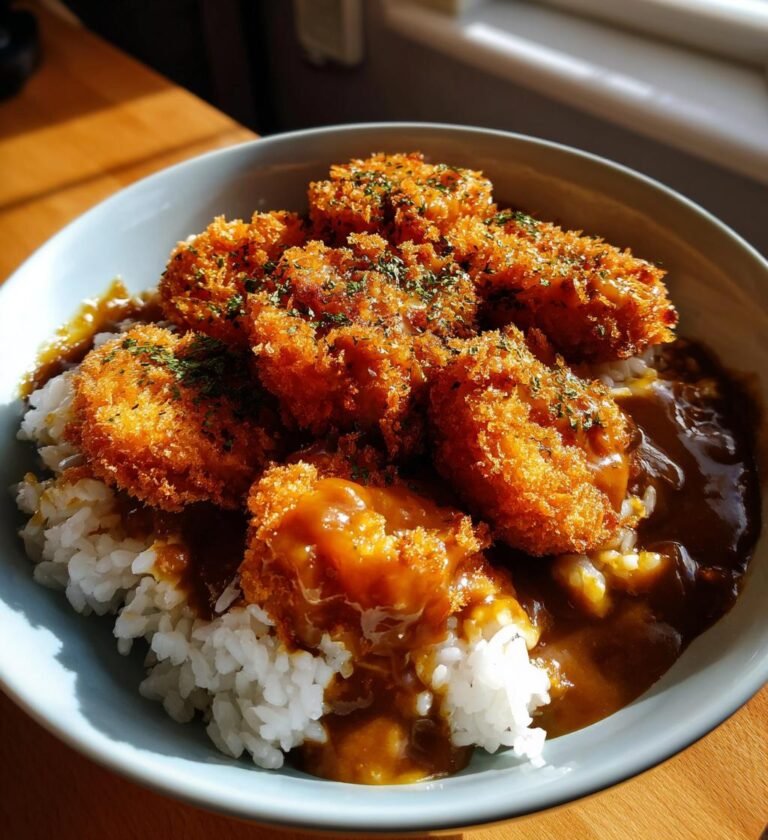
Japanese Katsu Curry: 5 Irresistible Comfort Food Tips
Japanese katsu curry is a comforting dish featuring breaded and fried meat served with a rich curry sauce.
- Total Time: 50 minutes
- Yield: 4 servings 1x
Ingredients
- 4 pork chops
- 1 cup panko breadcrumbs
- 1 cup all-purpose flour
- 2 eggs
- 2 cups rice
- 2 tablespoons curry powder
- 1 onion, sliced
- 2 carrots, diced
- 4 cups chicken broth
- Salt and pepper to taste
Instructions
- Cook rice according to package instructions.
- Season pork chops with salt and pepper.
- Dredge pork in flour, dip in beaten eggs, and coat with panko.
- Fry pork in hot oil until golden brown and cooked through.
- In a pot, sauté onion and carrots until softened.
- Add curry powder and stir for 1 minute.
- Pour in chicken broth and simmer for 15 minutes.
- Slice pork and serve over rice, topped with curry sauce.
Notes
- Use chicken or tofu for a different protein option.
- Adjust spice level by adding more or less curry powder.
- Serve with pickled vegetables for extra flavor.
- Prep Time: 20 minutes
- Cook Time: 30 minutes
- Category: Main Dish
- Method: Frying and simmering
- Cuisine: Japanese
- Diet: Gluten Free