
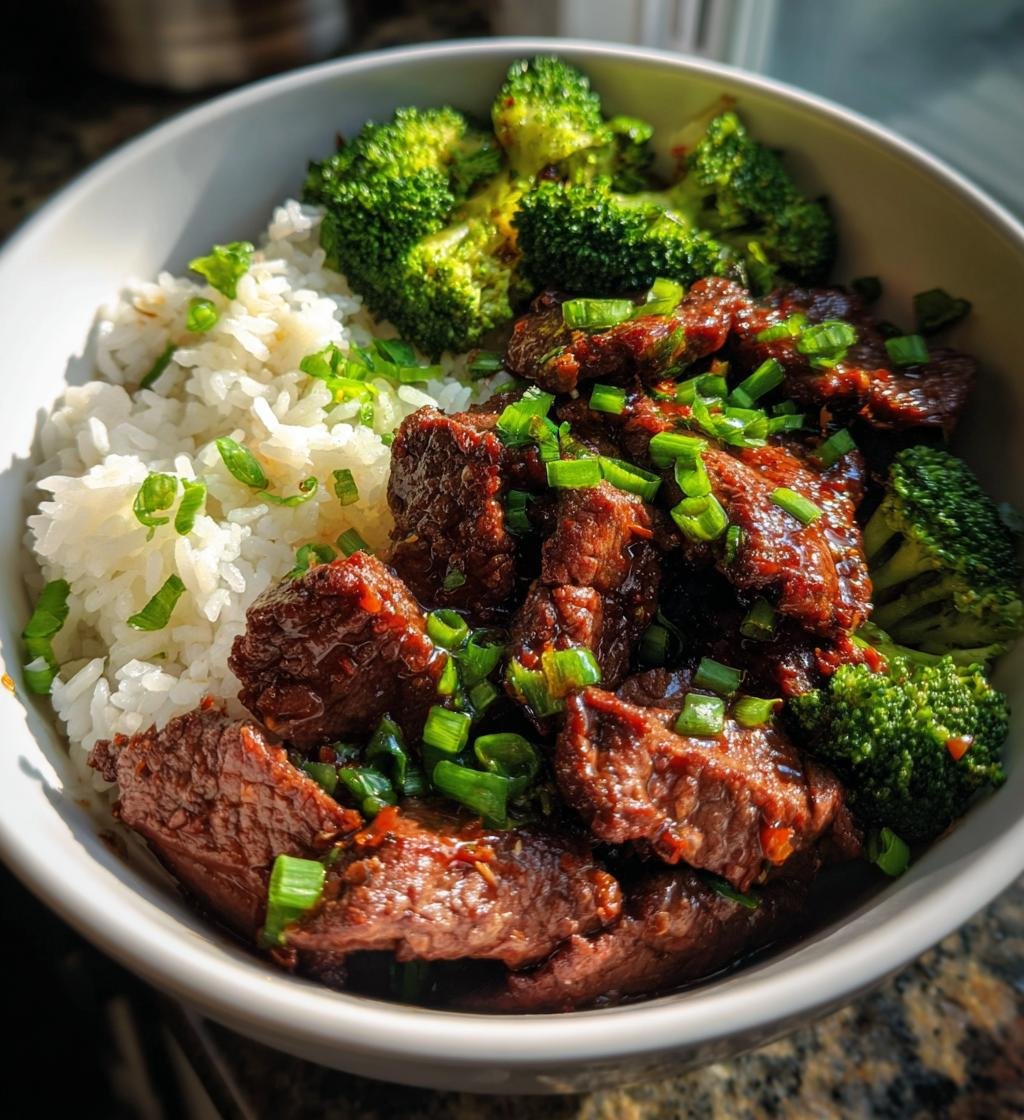
Let me tell you, the Korean beef bowl is an absolute game-changer when it comes to dinner! If you’re looking for a dish that hits all the right notes—savory, sweet, and just a tad bit spicy—this bowl is where it’s at. Imagine tender strips of beef marinated in a luscious mix of soy sauce and sesame oil, mingling beautifully with vibrant veggies like broccoli, all laid over a fluffy bed of rice. It’s comfort food at its finest!
I first stumbled upon this delightful recipe during a whirlwind week of meal prepping, and it quickly became a staple in our household. Not only does it come together in about 45 minutes, but it’s also packed with flavor that dances on your taste buds. Plus, it’s one of those dishes that you can easily customize based on what you have in your fridge. It’s no wonder that Korean beef bowls are a favorite in Korean cuisine—they’re quick, satisfying, and oh-so-delicious! Trust me, once you try this recipe, it’ll find a permanent spot in your rotation.
Ingredients for Korean Beef Bowl
To whip up this delicious Korean beef bowl, you’ll need the following ingredients:
- 1 lb beef sirloin, thinly sliced
- 1/4 cup soy sauce
- 2 tablespoons packed brown sugar
- 1 tablespoon sesame oil
- 2 cloves garlic, minced
- 1 teaspoon ginger, minced
- 2 green onions, chopped (for garnish)
- 2 cups cooked rice (jasmine or short-grain works great!)
- 1 cup broccoli florets (you can also use snap peas or bell peppers for variety)
- 1 tablespoon vegetable oil (for cooking the beef)
Gathering these ingredients is super simple, and trust me, they come together to create a bowl that’s bursting with flavor and nutrition!
How to Prepare the Korean Beef Bowl
Now, let’s dive into the steps to create this mouthwatering Korean beef bowl! It’s super straightforward, and I promise you’re going to love how easy it is to make!
- Marinate the beef: Start by placing the thinly sliced beef sirloin into a bowl. Pour in the soy sauce, brown sugar, sesame oil, minced garlic, and minced ginger. Mix everything together until the beef is well-coated. Cover the bowl and let it marinate in the refrigerator for about 30 minutes. This step is key for infusing all those delicious flavors into the meat!
- Heat the skillet: After your beef has marinated, heat the vegetable oil in a large skillet over medium-high heat. You want that oil to shimmer a bit before adding the beef.
- Cook the beef: Once the oil is hot, add the marinated beef to the skillet in a single layer. Sauté it for about 3-4 minutes until it’s nicely browned. Make sure to stir occasionally so it cooks evenly!
- Add the broccoli: When your beef is looking beautifully browned, toss in the broccoli florets. Stir everything together and cook for an additional 3-5 minutes, or until the broccoli is tender but still vibrant and crisp. You can adjust the cooking time based on how you like your veggies!
- Serve it up: Now, it’s time to assemble your bowls! Start with a generous scoop of cooked rice as your base, then spoon the beef and broccoli mixture on top. Don’t forget to garnish with chopped green onions for that fresh kick!
And there you have it! A colorful, flavorful Korean beef bowl ready to be devoured. I can’t wait for you to experience this delightful dish—it’s sure to become a family favorite!
Why You’ll Love This Korean Beef Bowl
This Korean beef bowl isn’t just a meal; it’s a whole experience packed with reasons to love it! Here are just a few perks that make this dish shine:
- Quick Preparation: You can whip this bowl up in about 45 minutes—perfect for those busy weeknights when time is tight but you still want something scrumptious!
- Flavorful Taste: The combination of soy sauce, sesame oil, and garlic creates a savory explosion that’ll have your taste buds dancing. Seriously, it’s a flavor party!
- Healthy Ingredients: With fresh veggies and lean beef, this bowl is a nutritious option that doesn’t skimp on taste. Plus, you can easily adjust the ingredients to suit your dietary needs!
- Versatility: Feel free to switch up the veggies based on what you have on hand, or even swap the beef for chicken or tofu. The possibilities are endless, making it a go-to dish for any occasion!
- Customizable: Whether you like it spicy or mild, you can easily add some chili flakes or your favorite hot sauce to kick things up a notch!
Once you try this Korean beef bowl, you’ll see why it’s a favorite. It’s not only delicious but also adaptable to your taste, making it a dish you’ll want to come back to again and again!
Tips for Success with Korean Beef Bowl
To make sure your Korean beef bowl turns out absolutely perfect every single time, I’ve got some tried-and-true tips that I swear by! These little nuggets of wisdom will help you elevate your dish and impress everyone at the dinner table.
- Don’t Skip the Marinade: Marinating the beef is crucial! It not only adds layers of flavor but also tenderizes the meat. If you can, let it marinate a bit longer—up to an hour—just to really soak in all that deliciousness.
- Get Your Skillet Hot: When cooking the beef, make sure your skillet is hot enough before adding the meat. This helps to sear the beef quickly, locking in juices and giving you that beautiful brown color we all love. If you add it too soon, it will steam instead of sizzle!
- Don’t Overcrowd the Pan: If you have a lot of beef, cook it in batches. Overcrowding the pan makes it harder to get that nice browning. You want each slice to have enough space to cook evenly and develop flavor.
- Choose Fresh Veggies: Fresh vegetables not only add vibrant color but also a satisfying crunch. Broccoli is a fantastic choice, but feel free to toss in snap peas, bell peppers, or even carrots for extra texture and flavor. Just remember to cut them into similar sizes for even cooking!
- Adjust to Your Taste: This recipe is super flexible! If you love heat, add a splash of gochujang or some chili flakes to the marinade. Want it sweeter? A little extra brown sugar can do the trick. Tailor it to your preferences!
With these tips in your back pocket, you’ll be well on your way to creating the best Korean beef bowl possible. It’s all about the details, and I know you’re going to nail it!
Variations of Korean Beef Bowl
One of the best things about the Korean beef bowl is how adaptable it is! You can easily switch things up based on your dietary preferences or what you have on hand. Here are some fun variations to consider:
- Protein Alternatives: If you’re not in the mood for beef, you can substitute it with chicken, pork, or even tofu for a vegetarian option. Chicken thighs or breasts work beautifully when marinated in the same flavorful sauce. For tofu, I recommend using extra-firm tofu; just press it to remove excess moisture before marinating and cooking.
- Different Vegetables: While broccoli is a classic choice, feel free to get creative with your veggies! Snap peas, bell peppers, carrots, or even zucchini can add a delightful crunch and vibrant colors to your bowl. Just remember to cut them into similar sizes for even cooking!
- Grain Options: Instead of rice, try serving your beef bowl over quinoa, cauliflower rice, or even a bed of crispy lettuce for a lighter option. Each grain brings its own unique flavor and texture to the dish!
- Flavor Twists: Want to kick up the flavor? Add a splash of gochujang (Korean chili paste) to the marinade for some heat, or toss in some sesame seeds or crushed peanuts as a garnish for extra crunch. You can also experiment with different marinades, like teriyaki or a citrus-based sauce.
- Make It a Wrap: For a fun twist, you can turn your Korean beef bowl into a wrap! Use lettuce leaves or tortillas to wrap up the beef, rice, and veggies for a delicious handheld meal.
The possibilities are endless! By mixing and matching proteins, veggies, and grains, you’ll keep this dish feeling fresh and exciting every time you make it. It’s all about finding what suits your taste buds best, so have fun with it!
Nutritional Information for Korean Beef Bowl
When it comes to enjoying a delicious meal, knowing the nutritional breakdown can help you feel good about what you’re eating! Here’s an estimated nutritional profile for one serving of this Korean beef bowl, based on the ingredients used:
- Calories: 450
- Fat: 15g
- Saturated Fat: 4g
- Unsaturated Fat: 10g
- Trans Fat: 0g
- Cholesterol: 70mg
- Sodium: 800mg
- Carbohydrates: 60g
- Fiber: 2g
- Sugar: 5g
- Protein: 30g
Keep in mind that these values are approximations and can vary based on specific brands and portion sizes. If you tweak the recipe or add different ingredients, the nutritional information may change, too. But rest assured, this bowl is packed with wholesome goodness and will leave you energized and satisfied!
Serving Suggestions for Korean Beef Bowl
Now that you’ve got your delicious Korean beef bowl ready to go, let’s make it even more special with some fantastic serving suggestions! The right sides and garnishes can elevate your meal to a whole new level.
- Kimchi: A staple in Korean cuisine, kimchi adds a spicy and tangy kick that perfectly balances the savory flavors of your beef bowl. Plus, it’s packed with probiotics!
- Sesame Seeds: Sprinkle some toasted sesame seeds on top of your bowl for an extra crunch and a nutty flavor that enhances the dish beautifully.
- Pickled Vegetables: Quick-pickled cucumbers or radishes provide a refreshing contrast to the rich beef. Just toss some thinly sliced veggies in rice vinegar, sugar, and a pinch of salt for a few minutes, and you’re good to go!
- Eggs: A fried egg on top can take your Korean beef bowl to the next level! The runny yolk adds richness that melds perfectly with the savory beef and rice.
- Steamed Dumplings: Serve the bowl alongside some steamed dumplings for a delightful appetizer. They’re perfect for sharing and add an extra element of fun to the meal.
- Fresh Salad: A simple salad with mixed greens, cherry tomatoes, and a light sesame dressing can offer a crisp and refreshing bite that complements the hearty bowl.
Mix and match these suggestions to create a meal that’s not just filling but also bursting with flavor and texture. You’ll find that these little additions make your Korean beef bowl an unforgettable dining experience!
Storage & Reheating Instructions for Korean Beef Bowl
Now, if you’re like me and love to have leftovers for lunch or dinner the next day, knowing how to store and reheat your Korean beef bowl is essential! Proper storage ensures that all those amazing flavors stay intact for your next meal.
First things first, let your Korean beef bowl cool down to room temperature before storing it. This helps prevent condensation and sogginess. Once it’s cooled, transfer the beef and broccoli mixture into an airtight container. Make sure to keep the rice in a separate container if possible, as it tends to absorb moisture and might get a bit mushy if left in with the beef.
Store your leftovers in the refrigerator, where they’ll stay fresh for about 3-4 days. If you want to keep them longer, consider freezing the beef and broccoli mixture. Just be sure to use a freezer-safe container or a heavy-duty freezer bag. It can last up to 2-3 months in the freezer, though I doubt it’ll stick around that long!
When it comes to reheating, the stovetop is my go-to method. Just add a splash of water or soy sauce to a skillet and heat the beef and broccoli over medium heat until warmed through. This way, you’re bringing back that juicy texture! If you’re reheating the rice, you can do it in the microwave—just add a little water to keep it from drying out, cover it, and zap it for about a minute or so.
And there you have it! With these tips, your Korean beef bowl will taste just as delicious the next day, making it a fantastic meal prep option. Enjoy every last bite!
FAQ about Korean Beef Bowl
Got questions about making the perfect Korean beef bowl? Don’t worry—I’ve got you covered! Here are some common queries you might have, along with my personal tips to help you out:
- Can I use different meats? Absolutely! While this recipe shines with beef sirloin, you can easily substitute it with chicken, pork, or even tofu for a great vegetarian option. Just remember to adjust the cooking time based on the protein you choose!
- How can I make it spicier? If you like a little heat, you can add some gochujang (Korean chili paste) to the marinade or sprinkle in some red pepper flakes while cooking. It’s a fantastic way to amp up the flavor without overpowering the dish!
- What vegetables work best? Feel free to get creative with your veggies! While broccoli is a classic choice, snap peas, bell peppers, and carrots are also excellent options. Just make sure to cut them into similar sizes for even cooking!
- Can I make this ahead of time? Yes! Marinate the beef up to a day in advance to let those flavors really soak in. You can also prep your veggies and rice ahead of time. Just store everything separately in the fridge until you’re ready to cook!
- How can I store leftovers? After enjoying your delicious Korean beef bowl, store any leftovers in an airtight container in the fridge for about 3-4 days. For longer storage, you can freeze the beef and broccoli mixture for up to 2-3 months.
Hopefully, these FAQs help you feel more confident in whipping up your Korean beef bowl. It’s such a versatile dish, and I can’t wait for you to enjoy it as much as I do!
Print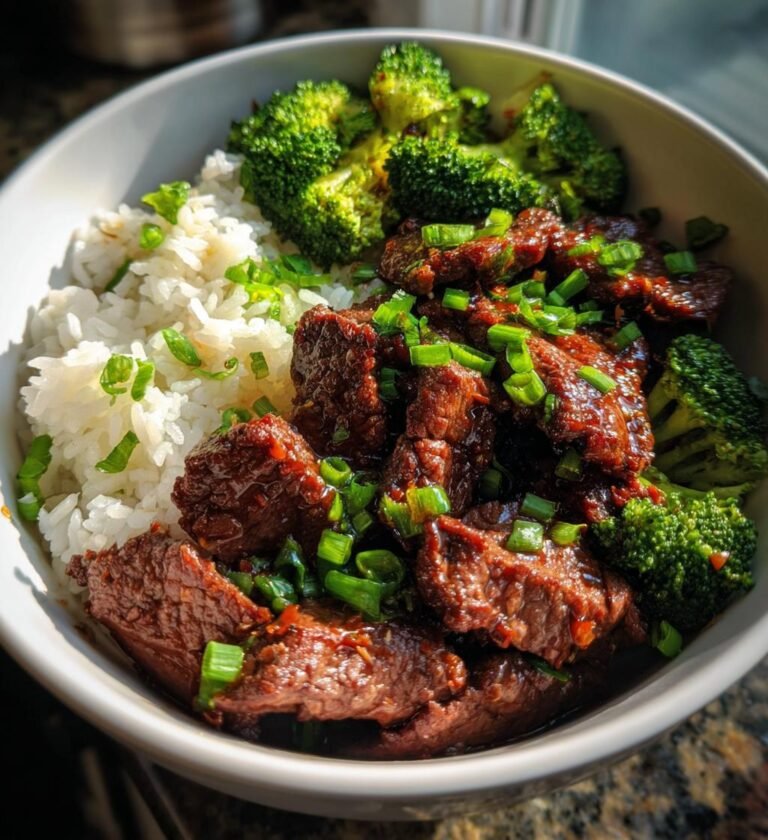
Korean Beef Bowl: 5 Flavorful Tips for Dinner Bliss
A flavorful Korean beef bowl with tender beef and aromatic vegetables.
- Total Time: 45 minutes
- Yield: 4 servings 1x
Ingredients
- 1 lb beef sirloin, thinly sliced
- 1/4 cup soy sauce
- 2 tablespoons brown sugar
- 1 tablespoon sesame oil
- 2 cloves garlic, minced
- 1 teaspoon ginger, minced
- 2 green onions, chopped
- 2 cups cooked rice
- 1 cup broccoli florets
- 1 tablespoon vegetable oil
Instructions
- Marinate the beef in soy sauce, brown sugar, sesame oil, garlic, and ginger for 30 minutes.
- Heat vegetable oil in a skillet over medium-high heat.
- Add marinated beef and cook until browned.
- Add broccoli and cook until tender.
- Serve over cooked rice and garnish with green onions.
Notes
- Adjust the sugar for desired sweetness.
- Use any vegetables you prefer.
- Can substitute beef with chicken or tofu.
- Prep Time: 30 minutes
- Cook Time: 15 minutes
- Category: Dinner
- Method: Stovetop
- Cuisine: Korean
- Diet: Low Calorie
Nutrition
- Serving Size: 1 bowl
- Calories: 450
- Sugar: 5g
- Sodium: 800mg
- Fat: 15g
- Saturated Fat: 4g
- Unsaturated Fat: 10g
- Trans Fat: 0g
- Carbohydrates: 60g
- Fiber: 2g
- Protein: 30g
- Cholesterol: 70mg
Keywords: Korean beef bowl, easy dinner, beef recipe